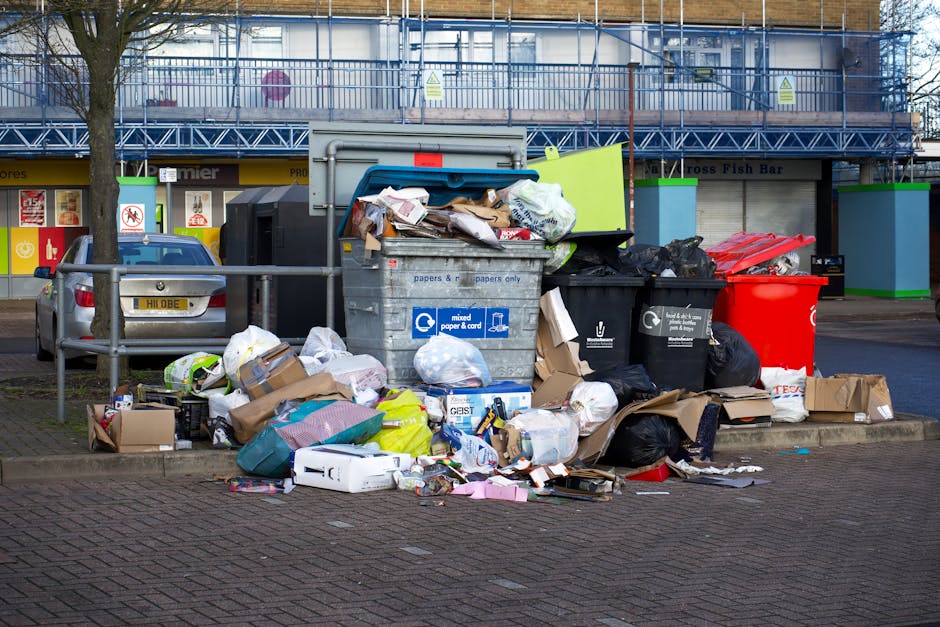
Quick guide to planning a full home rubbish clearout in one day UK
If your home has reached that awkward stage where the spare room is half storage, the loft is a mystery, and the garage is giving up altogether, a one-day clearout can be the reset you need. This quick guide to planning a full home rubbish clearout in one day UK is for anyone who wants to clear space fast without turning the day into chaos. Done well, it is surprisingly manageable. Done badly, it becomes a pile of black bags, a sore back, and a weekend wasted.
Let's face it: most people do not need more motivation. They need a plan, a route through the mess, and a realistic idea of what can actually be finished in a single day. In this guide, you'll get a practical, UK-focused approach to sorting, loading, removing, and dealing with waste properly, plus a few simple tricks that save time when the house feels like it has swallowed your Saturday.
Expert summary: The fastest one-day clearouts are the ones planned before the first bin bag is lifted. Sort by room, separate reusable items early, keep recycling and rubbish apart, and arrange disposal before midday if you can. That sounds basic, but it is the difference between a smooth clearout and a mildly tragic marathon.
Table of Contents
- Why this kind of one-day home rubbish clearout matters
- How the one-day clearout process works
- Key benefits and practical advantages
- Who it is for and when it makes sense
- Step-by-step guidance
- Expert tips for better results
- Common mistakes to avoid
- Tools, resources and recommendations
- Law, compliance, standards and best practice
- Options, methods and comparison
- Case study or real-world example
- Practical checklist
- Conclusion
- Frequently asked questions
Why Quick guide to planning a full home rubbish clearout in one day UK Matters
A full home rubbish clearout is not just about getting rid of junk. It is about reclaiming space, reducing stress, and stopping clutter from spreading room to room like it has a life of its own. In UK homes, where storage can be tight and access can be awkward, the difference between a tidy home and a frustrating one is often just a few well-planned hours.
The "one day" part matters too. Many people put off clearouts because they imagine the job will drag on for weeks. That is the real problem. A short, focused plan creates momentum. You start in the morning with a clear aim, and by evening you can see the floor again. That visible progress is powerful. You will notice it immediately the moment the first hallway clears.
There is also a practical side. Rubbish left in bedrooms, lofts, garages, or gardens tends to gather dust, block access, and make future cleaning harder. Old furniture, broken appliances, and mixed waste can also become a safety issue if they are stored badly. So the benefit is not just cosmetic. It is about making the home easier to live in, easier to clean, and easier to maintain.
For many households, a fast clearout also helps before a move, a renovation, a sale, or a family event. Sometimes the deadline is the whole reason the job gets done. Truth be told, a bit of pressure can be helpful if it is channelled properly.
How Quick guide to planning a full home rubbish clearout in one day UK Works
The basic method is simple: prepare, sort, separate, remove, and finish. The trick is doing each stage in the right order. Most failed clearouts happen when people begin by carrying random items to the front door without a sorting system. That creates bottlenecks, confusion, and duplicate handling. In other words, you move the same dusty old lamp three times for no good reason.
A one-day rubbish clearout usually works best when the home is broken into zones. Bedrooms, lofts, garages, sheds, utility rooms, and storage cupboards should each have their own mini plan. The aim is to move through the property once, not wander around inventing new piles. If you can keep each room to a simple yes/no decision, the job speeds up dramatically.
In the UK, the disposal route matters as much as the sorting. Some waste can go to recycling, some can be taken to a household waste recycling centre, some can be collected through local authority services, and some is better handled by a licensed private clearance team. For larger or mixed loads, a service such as rubbish clearance or waste removal can save a lot of time, especially when there is bulky furniture involved.
A practical one-day process usually follows this pattern:
- Decide what is going before anything gets moved.
- Create separate areas for keep, donate/reuse, recycle, and rubbish.
- Remove large items first so the smaller clutter is easier to access.
- Bag, bundle, and stack waste in one controlled area.
- Load everything for disposal in a single sweep where possible.
- Do a final pass room by room to catch anything missed.
That last step sounds small, but it is where the loose batteries, random chargers, and odd socks usually hide. They always do.
Key Benefits and Practical Advantages
A properly planned one-day clearout gives you more than a clean room. It creates momentum, reduces decision fatigue, and helps you avoid the half-finished state that makes many people give up. Once the big items go, the rest of the home starts to feel lighter. You walk through it differently. It sounds a bit dramatic, but it is true.
- Fast visible results: One day is long enough to make a real difference, short enough to stay focused.
- Less clutter pressure: Clearing space reduces the mental load of living around piles.
- Better safety: Fewer trip hazards, less dust build-up, and easier access to storage areas.
- Improved recycling: Sorting on the day means more items can be diverted correctly.
- Stronger resale or rental appeal: A clean property looks more organised and easier to manage.
- Less procrastination: A single-day plan is often easier to commit to than a vague "someday" tidy-up.
There is another advantage that often gets overlooked: a full home rubbish clearout helps you see what you actually own. People are sometimes surprised by how many duplicate kitchen items, broken bits, and forgotten boxes have built up over time. You stop buying what you already had. Quietly useful, that.
Who This Is For and When It Makes Sense
This approach suits anyone who needs a quick, decisive reset. It is especially useful if the home has a deadline attached to it, like a house move, tenancy end, renovation, family visit, or probate-related preparation. It also makes sense if clutter has been building across several rooms and you want to tackle it all before it spreads further.
Typical situations include:
- A family home with years of accumulated furniture, toys, boxes, and broken household items
- A flat where storage has become overloaded and access is limited
- A garage or loft full of mixed rubbish, old decor, and unused belongings
- A property that needs to be cleared before new flooring, decorating, or refurbishment
- A landlord or homeowner dealing with bulky waste after a tenant change
It may not be the best option if the property contains hazardous materials, severe hoarding conditions, or items needing specialist handling. In those cases, a more careful staged approach is usually wiser. For larger home projects, services such as home clearance or house clearance may be a better fit than trying to do everything yourself in one exhausting push.
And if the job is mostly furniture, the picture changes again. Bulky sofas, wardrobes, and mattresses can take up time very quickly. That is where furniture clearance, sofa removal and collection, or mattress removal and collection can be especially handy.
Step-by-Step Guidance
If you want the day to run smoothly, start early. Mid-morning is already too late for a full house clearout unless the property is tiny. Give yourself a proper window, keep breaks short, and do not get drawn into sorting old photographs for forty minutes when you have a garage full of broken shelving still waiting. Tempting, though.
1. Prepare the night before
Lay out bin bags, gloves, marker pens, tape, boxes, and cleaning cloths. Decide which room is first and which items are definitely going. If possible, check whether you need a vehicle, recycling centre trip, or collection slot the next day. Preparation removes friction. Simple as that.
2. Work room by room
Start with the easiest or most cluttered room, but not both at once. Many people prefer to begin in the room that gives the quickest visible win, because that early progress builds energy. A spare room, hallway, or garage often works well. Kitchens and lofts can slow things down, so leave them for when the team, if there is one, is already warmed up.
3. Sort into four clear streams
Use four labels or zones:
- Keep - items that are genuinely needed and in good condition
- Donate or reuse - usable things that still have life in them
- Recycle - materials that can be separated properly
- Rubbish - broken, contaminated, or unusable waste
This is the heart of the clearout. If you only create one "maybe" pile, the job will drift. Keep the maybe pile tiny.
4. Remove large items first
Old furniture, broken shelving, and bulky appliances should come out early because they unblock the rest of the room. You can work around smaller clutter once the biggest obstacles are gone. If you have white goods or awkward heavy items, disposal services like white goods recycle, fridge disposal, or bed disposal may save time and effort.
5. Bag, bundle, and label as you go
Do not wait until the end to bag everything. Keep stacks neat and compact. Label bags if multiple people are involved so no one has to ask, "Where does this go?" fifty times. It happens more than you'd think.
6. Keep recycling separate
Separate cardboard, metal, plastics, and electronics where practical. Even a quick sort can make disposal more efficient. If your waste includes mixed household rubbish and recyclable material, a provider with a recycling-led approach such as recycling and rubbish or waste recycling is worth considering.
7. Load and remove in one controlled sweep
If you are using a van or booking a collection, try to avoid multiple loading rounds. One clean loading session is easier on the body and cuts wasted time. Plan the stack in the order things will go out, with the heaviest items first and smaller bags filling the gaps.
8. Finish with a final sweep
Once the obvious waste is gone, walk each room slowly. Look in corners, cupboards, under tables, behind doors, and on top shelves. It is always the little forgotten bits that make a room feel unfinished.
Expert Tips for Better Results
Over the years, one thing stands out: the best clearouts are not always the fastest workers, they are the best prepared. That does not mean overthinking everything. It means making smart choices early.
- Use coloured bags or tape for different waste streams. It helps everyone on the day.
- Set a "decision timer" for each pile. If an item still feels uncertain after a minute, move it into a separate review box and come back later.
- Keep drinks and snacks nearby. Energy dips derail clearouts more than people expect.
- Open windows if dust is heavy. Especially in lofts or long-closed rooms. The air gets stale quickly.
- Protect floors and walls. Moving furniture through narrow hallways can mark paintwork or scuff corners.
- Use a van or collection service for the bulky stuff. It is often faster and less stressful than repeated car loads.
A small but useful tip: keep one empty box marked "not sure yet" and allow only a few items in it. That box prevents decision paralysis, but it also stops the whole house becoming a museum of uncertainty.
If you are clearing a loft, garage, or outbuilding, check access before the day starts. Some loft hatches are awkward, some garages are stacked too tightly to move safely, and some garden paths are so narrow you end up carrying waste sideways like a piece of furniture from a sitcom. Better to know that in advance.
Common Mistakes to Avoid
One-day clearouts often go wrong for predictable reasons. The good news? Most of them are easy to avoid once you know what to watch for.
- Starting without a disposal plan: If you do not know where the waste is going, the piles will just move around the house.
- Keeping too many "maybe" items: This slows everything down and clogs up the space you need.
- Mixing rubbish with donations: It creates extra work later and can ruin usable items.
- Underestimating heavy items: Sofas, mattresses, and appliances are not a quick carry in the real world.
- Forgetting recycling separation: This can lead to avoidable waste and more sorting afterwards.
- Trying to do decorative decisions on the day: That is how a rubbish clearout turns into an interior design debate.
- Not planning for access: Stairways, lifts, parking, and driveway space all matter.
Another common mistake is assuming the council can always collect everything on your preferred timeline. Local services vary, and larger or urgent jobs often need a private solution. For reference and comparison, pages like council large item collection and bulky waste collection are useful to review if you are deciding between disposal routes.
Tools, Resources and Recommendations
You do not need a professional toolkit, but a few items make the day a lot easier. The quieter the job gets, the more you notice how much time disappears when you are hunting for the right tape or bag.
| Item | Why it helps | Best use |
|---|---|---|
| Heavy-duty bin bags | Handles mixed waste and sharper edges better | General rubbish and light household debris |
| Gloves | Protects hands from dirt, splinters, and dust | Almost every part of the clearout |
| Marker pens and labels | Makes sorting simpler and faster | Donation, recycling, keep boxes |
| Boxes or crates | Keeps reusable items organised | Loose household bits, books, cables |
| Tape measure | Useful for bulky items and access points | Furniture, appliance clearance, van loading |
| Cleaning cloths and a vacuum | Lets you finish properly, not just empty the room | Final sweep after removal |
For larger items, these service pages can help you match the job to the right disposal route: large item collection, bulk waste collection, and furniture removal and collection. If the clearout includes a garage, loft, or garden as part of the same day, the relevant specialist pages are useful too, such as garage clearance, loft clearance, and garden clearance.
One useful practical recommendation is to take photos of bulky items before booking collection, especially if the waste includes awkward access or mixed materials. It helps you plan loading time and reduces the chance of surprises on the day. A little preparation here goes a long way.
Law, Compliance, Standards, or Best Practice
For UK homeowners and renters, the big principle is straightforward: waste should be handled responsibly, and you should be careful about who removes it. If you are paying someone to take waste away, it is sensible to use a reputable, properly insured service and keep records of what was removed. That matters more than people realise.
Best practice usually means:
- Separating reusable items, recyclables, and general rubbish where practical
- Avoiding fly-tipping and never leaving waste where it could be dumped illegally
- Handling electricals, appliances, and sharp objects carefully
- Using proper lifting techniques for heavy furniture
- Checking that any waste carrier or clearance provider operates transparently
If the clearout includes items like fridges, mattresses, or mixed household waste, it is worth being cautious about disposal methods and handling. For safer service standards, some readers also check pages such as insurance and safety, health and safety policy, and recycling and sustainability to understand how a provider approaches the work.
In plain English: do not hand your waste to someone vague, cash-only, and impossible to track down. If a service cannot explain how it will be collected, separated, and disposed of, that is a red flag. Not glamorous, but very useful.
Options, Methods, or Comparison Table
There is more than one way to complete a full home rubbish clearout in one day. The right method depends on how much waste you have, whether there are bulky items, and how much lifting you want to do yourself.
| Method | Best for | Pros | Trade-offs |
|---|---|---|---|
| DIY with your own vehicle | Small to medium clearouts | Flexible, lower direct cost | Time-consuming, limited capacity |
| Council collection routes | Limited bulky items | Useful for specific items, familiar process | May involve waiting, size limits, booking rules |
| Private rubbish removal service | Whole-home or mixed waste jobs | Fast, convenient, handles bulky loads | Usually costs more than doing it yourself |
| Split approach | Mixed jobs with reusable items | Balanced, practical, often efficient | Needs more coordination |
If your clearout is mostly furniture and mixed household items, a private clearance route often makes the day much easier. If the job is smaller and you are happy to do the lifting yourself, a DIY approach may be enough. For many households, the sweet spot is a split approach: keep the obvious donations aside, recycle what you can, and use a clearance service for the heavy or awkward stuff.
That middle-ground option is probably the most realistic for a lot of UK homes. Not perfect. Just practical. And practical wins.
Case Study or Real-World Example
Here is a typical real-world scenario. A family in a terraced house had a spare room, under-stairs cupboard, and part of the loft stuffed with old boxes, broken toys, a tired bed frame, a mattress, two shelving units, and mixed general rubbish. Nothing dramatic. Just the sort of accumulation that happens when life gets busy and the house slowly stops breathing.
They started at 8:00am with three zones set up in the hallway: keep, donation, and rubbish. The bed frame and mattress came out first because they were blocking access to the rest of the room. Once those were gone, the room looked bigger immediately, which gave everyone a lift. By late morning, smaller items were being bagged and labelled, and by early afternoon the loft access was finally clear enough to deal with the remaining boxes.
The key to the day was not speed alone. It was decisions. Every item had to go somewhere, and the family resisted the urge to keep old chargers, duplicate tableware, and "just in case" storage tubs that had not been used for years. They finished with a vacuum and a wipe-down of the cupboard shelves, which made the whole house feel fresher. It was not a perfect palace makeover. Just a proper reset. Enough, really.
That kind of outcome is common when the plan is simple and the waste route is sorted early. The day feels busy, but not impossible. And by evening, the space is usable again.
Practical Checklist
Use this checklist to keep the day on track. You can print it, copy it, or just scribble it on the back of an envelope if that is how your household operates.
- Choose the room order before the day starts
- Gather gloves, bags, tape, labels, and boxes
- Decide what is being kept, donated, recycled, or binned
- Clear out large items first
- Separate electricals, furniture, and general rubbish
- Keep a donation box and a recycling area ready
- Check vehicle access, parking, and stairway space
- Book collection or disposal in advance where possible
- Do a final sweep of cupboards, corners, and shelves
- Clean the cleared areas before calling the job done
Quick reality check: if the home contains far more waste than fits into a day, split the work into two clear stages rather than forcing it. That is not failure. It is judgement.
Conclusion
A full home rubbish clearout in one day is completely doable when the plan is sensible, the sorting is strict, and the disposal route is decided early. The real win is not just getting rid of things. It is taking back space, reducing stress, and making the home easier to live in from that day onward.
If you remember only one thing, make it this: sort first, move second, dispose third. That order saves time, avoids confusion, and keeps the whole job from snowballing. Whether you are clearing a flat, a family house, a loft, or a garage, a focused plan will get you much further than brute force alone.
And once the rubbish is gone, the house feels different. Quieter. Lighter. A bit more yours again.
Get a free quote today and see how much you can save.
Frequently Asked Questions
How do I plan a full home rubbish clearout in one day UK without getting overwhelmed?
Start by breaking the home into zones and deciding what is definitely going before the day begins. Keep sorting categories simple: keep, donate, recycle, and rubbish. The less you decide on the spot, the easier the day feels.
What should I clear out first in a one-day house rubbish clearout?
Begin with the largest or most obstructive items first, such as furniture, old beds, or storage units. Once the bulky pieces are out, everything else becomes easier to access and sort.
Can I do a whole house clearance in one day by myself?
Sometimes, yes, if the property is small and the waste volume is modest. For a larger home or anything with heavy furniture, a second pair of hands or a professional clearance service usually makes the day far more realistic.
What is the fastest way to get rid of bulky items in the UK?
The fastest route is usually a dedicated bulky waste or private clearance service, especially if you have several large items or awkward access. Council routes can work, but they may not suit urgent one-day plans.
Should I separate recycling during the clearout or after?
Do it during the clearout if you can. Sorting at the point of removal saves time later and makes it less likely that recyclable items end up mixed into general rubbish.
How do I avoid making a mess while clearing out the house?
Use bags, boxes, and labelled zones instead of making one giant pile. Move items only once where possible, and clear one room before starting the next. That simple discipline keeps the home from turning into a corridor of doom.
What if I find broken appliances or electrical items?
Set them aside rather than mixing them with general waste. Many electricals and appliances need separate handling, so it is better to keep them grouped and dispose of them through the right route.
Is a one-day clearout suitable for a garage or loft?
Yes, as long as access is safe and the volume is manageable. Garages and lofts often contain mixed items, so it helps to prepare boxes, gloves, and a clear sorting area before you begin.
How do I know whether to use council collection or a private rubbish removal service?
If the job is small and the council offers a suitable collection service, that may be enough. If you have bulky items, mixed waste, tight timing, or a whole-home clearout, a private service is often more practical.
What items should never be handled carelessly during a clearout?
Anything sharp, heavy, electrical, or potentially hazardous deserves extra care. That includes broken glass, appliances, old fridges, and items with mould, leaks, or hidden weight. If in doubt, do not rush it.
How can I save time on the day of the clearout?
Prepare the night before, keep the sorting categories simple, and arrange disposal in advance. Time is usually lost through indecision and repeated handling, not through the actual lifting.
What happens if I cannot finish in one day?
Split the remaining work into a second pass rather than trying to force it. It is better to finish one zone properly than to rush the whole house and leave a half-done mess behind.