Bulky Waste Collection in Clearance Sucks
Understanding the Challenges of Bulky Waste Clearance
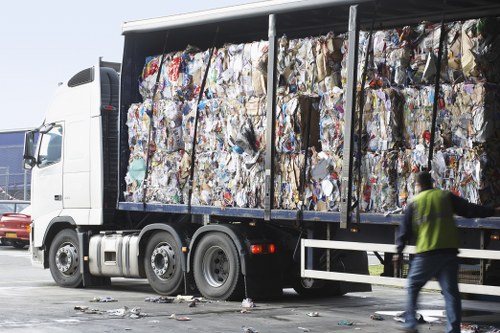
Clearance operations often involve the removal of bulky waste, which can transform a space from cluttered to clean. However, many individuals and businesses find that bulky waste collection in clearance sucks due to various complications. From logistical hurdles to environmental concerns, the process is frequently fraught with frustrations.
One of the primary issues is the lack of reliable waste management services that specialize in handling large items. Standard garbage collection services are typically ill-equipped to manage bulky waste, leading to delays and increased costs. This inadequacy forces many to seek alternative, often more expensive, disposal methods.
Additionally, navigating local regulations around bulky waste disposal can be a daunting task. Each municipality has its own set of rules and guidelines, making it difficult for individuals to ensure compliance. Non-compliance can result in hefty fines and further complications, adding to the overall frustration.
The Environmental Impact of Ineffective Waste Clearance
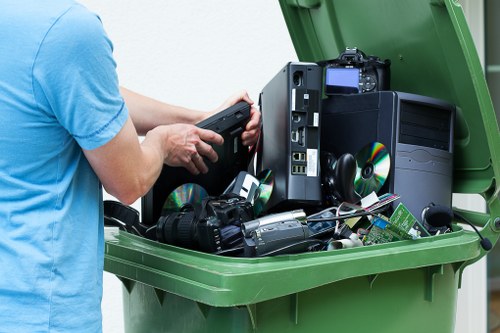
Bulky waste collection not only poses logistical challenges but also significant environmental concerns. Improper disposal of large items such as furniture, electronics, and appliances can lead to increased landfill waste and environmental degradation. Many bulky items contain materials that are harmful to the environment if not disposed of correctly.
Moreover, the lack of efficient recycling options for bulky waste exacerbates the problem. Without proper recycling facilities, a substantial amount of reusable materials end up in landfills, contributing to the waste crisis. This inefficiency highlights the critical need for more sustainable waste management solutions.
Communities suffer when bulky waste is not managed effectively. The accumulation of large items can create unsightly public spaces and potential health hazards. Streets cluttered with discarded furniture and appliances not only diminish the aesthetic appeal of a neighborhood but also attract pests and pose safety risks.
Financial Burdens Associated with Bulky Waste Clearance
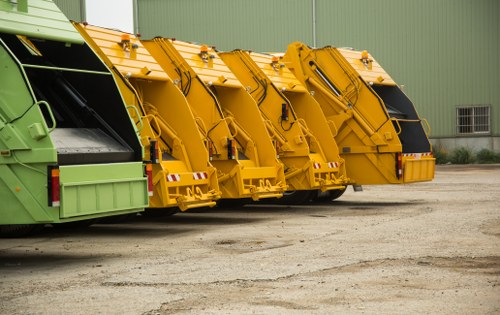
The cost of removing bulky waste during clearance can be prohibitively expensive. Many waste collection services charge premium rates for the disposal of large items, placing a financial strain on individuals and businesses alike. These high costs are often justified by the increased labor and transportation expenses involved.
Furthermore, unexpected fees and hidden charges are common complaints among those who find that clearance sucks when dealing with bulky waste. The lack of transparency in pricing structures makes it difficult for customers to budget effectively, leading to dissatisfaction and mistrust towards waste management providers.
In some cases, the expense of releasing bulky waste can outweigh the benefits of clearance. Individuals may be forced to delay the removal of unwanted items due to cost constraints, resulting in prolonged clutter and associated negative impacts.
Limited Accessibility to Bulky Waste Collection Services

Accessing reliable **bulky waste collection services** is another significant hurdle. In many regions, especially rural or underserved areas, specialized waste collection services are scarce or nonexistent. This scarcity forces residents to rely on less efficient alternatives, such as renting large trucks or making multiple trips to disposal sites.
The logistical challenges of scheduling bulky waste pickups also contribute to the frustration. Limited availability of collection windows and inflexible scheduling options mean that coordinating a convenient time for disposal is often difficult, if not impossible.
Moreover, the lack of standardized services across different areas leads to inconsistencies in waste management practices. What works in one municipality may not be feasible in another, creating confusion and inefficiency on a broader scale.
The Emotional Toll of Dealing with Bulky Waste
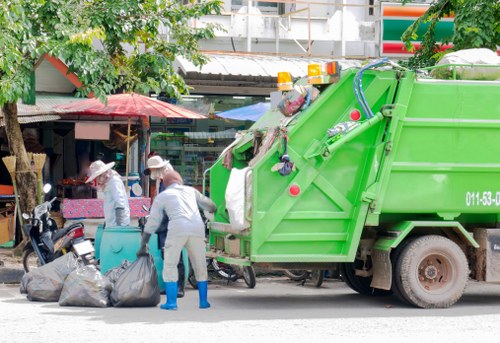
Beyond the practical challenges, dealing with bulky waste can take an emotional toll on individuals. The stress of clearing out large, unwanted items from personal spaces can lead to feelings of anxiety and overwhelm. The perception that bulky waste collection in clearance sucks intensifies these negative emotions, making the process even more daunting.
Cluttered environments are linked to increased stress levels and decreased productivity. The inability to efficiently remove bulky waste perpetuates a cycle of disorganization and mental strain, affecting overall well-being.
Addressing the emotional aspects of waste clearance is crucial. Providing support and resources to help individuals manage bulky waste can alleviate some of the associated stress and lead to more positive outcomes.
Solutions and Best Practices for Effective Bulky Waste Clearance
![Three large black rubbish bags made of thick plastic with a glossy finish, tightly gathered and knotted at the top, are positioned side by side on a dark background, suggesting they have been prepared for waste collection. The bags appear full and slightly bulging, with visible creases and folds in the plastic material indicating they contain bulky waste or general rubbish. The lighting highlights the reflective surfaces of the bags, emphasizing their texture and shape. The background is plain and black, directing focus solely on the bags. This image would be relevant for a professional waste management service such as Clearance Sucks, which specialises in rubbish and bulky waste disposal, particularly in areas around postcode regions like the [POSTCODE], near [TOWN], where efficient rubbish removal is essential. The scene conveys a sense of readiness for collection, fitting within the context of domestic or commercial rubbish clearance and bulky waste disposal services in the UK.](/pub/_photos/rubbish/f1342373512.jpg)
Despite the challenges, there are strategies to mitigate the frustrations associated with **bulky waste collection in clearance**. Implementing best practices can streamline the process, making it less burdensome for all parties involved.
One effective solution is to partner with specialized waste management companies that offer comprehensive bulky waste services. These providers are equipped with the necessary resources and expertise to handle large items efficiently, reducing the time and effort required for clearance.
Additionally, promoting community recycling programs can significantly enhance bulky waste disposal. By encouraging the reuse and recycling of large items, communities can minimize landfill waste and foster a more sustainable environment.
Implementing Efficient Scheduling Systems
Adopting advanced scheduling systems can greatly improve the accessibility of bulky waste collection services. Online booking platforms and flexible scheduling options allow customers to arrange pickups at their convenience, reducing the logistical burden and enhancing customer satisfaction.
Moreover, integrating real-time tracking and communication tools ensures that both service providers and customers are informed about pickup statuses, minimizing delays and misunderstandings.
Efficient scheduling not only optimizes the operations of waste management companies but also provides a smoother experience for those in need of clearance services.
Enhancing Public Awareness and Education
![A person wearing red gloves and a grey and red jacket is seen holding a large, dense bundle of autumn leaves, primarily yellow with some brown and orange hues, over a black wheelbarrow. The leaves appear freshly gathered and are spilling slightly as they are being moved. In the background, there are more fallen leaves scattered on the grass and soil, along with some garden tools visible, indicating outdoor leaf clearance taking place in a garden or yard area typical of UK suburbs or towns. The scene is illuminated by natural daylight, highlighting the vibrant autumn colours and the texture of the leaves and gloves. This image is relevant for rubbish removal services specializing in garden waste collection, such as those offered by Clearance Sucks, operating in local areas including [POSTCODE] and [TOWN].](/pub/_photos/rubbish/f1310162944.jpg)
Raising public awareness about the proper disposal of bulky waste is essential for improving clearance outcomes. Educational campaigns can inform individuals about available services, recycling options, and the importance of responsible waste management.
By increasing knowledge and providing clear guidelines, communities can empower residents to take proactive steps in managing their bulky waste, reducing the overall burden on waste management systems.
Furthermore, collaboration with local governments and organizations can amplify these educational efforts, ensuring widespread reach and impact.
Investing in Sustainable Waste Management Technologies

Investing in innovative waste management technologies can revolutionize the way bulky waste is handled during clearance. Advanced machinery and efficient transportation solutions can enhance the capacity and effectiveness of waste collection services.
Automation and robotics, for instance, can facilitate the sorting and processing of large items, decreasing the labor intensity and time required for disposal. These technological advancements not only improve operational efficiency but also reduce the environmental footprint of waste management practices.
Embracing sustainability in waste management ensures that bulky waste clearance becomes a more manageable and eco-friendly process for communities.
Key Takeaways
![The image shows two large, bright yellow wheelie bins positioned on a concrete pavement next to a white wooden fence with some greenery and a tree trunk nearby. The bins are made of durable plastic with textured surface details and are partially filled with white foam food containers. Several additional foam containers are scattered around the base of the bins, some lying on the ground and others leaning against the bins. Small bits of trash and debris are visible among the scattered containers, indicating recent waste disposal activity. Behind the bins, there are some small round wooden stools or seats with painted green tops arranged in a semi-circle, set against a backdrop of a well-maintained garden area with grass, plants, and a white wooden fence, suggesting a residential or community outdoor space. The lighting suggests natural daylight, creating a clear and neutral setting that reflects typical rubbish disposal in a suburban environment, relevant to waste collection services in the [POSTCODE] or local [TOWN] area.](/pub/_photos/rubbish/f1366589440.jpg)
- Bulky waste collection poses significant logistical, environmental, and financial challenges.
- Access to specialized waste management services is often limited, exacerbating clearance difficulties.
- Implementing best practices such as partnering with specialized providers, promoting recycling, and adopting efficient scheduling can alleviate many issues.
- Public awareness and investment in sustainable technologies are crucial for effective bulky waste management.
While bulky waste collection in clearance sucks for many, understanding the underlying challenges and exploring viable solutions can lead to more efficient and less stressful waste management experiences.
Contact us today to learn more about how we can assist you with your bulky waste clearance needs and make the process smoother and more environmentally responsible.