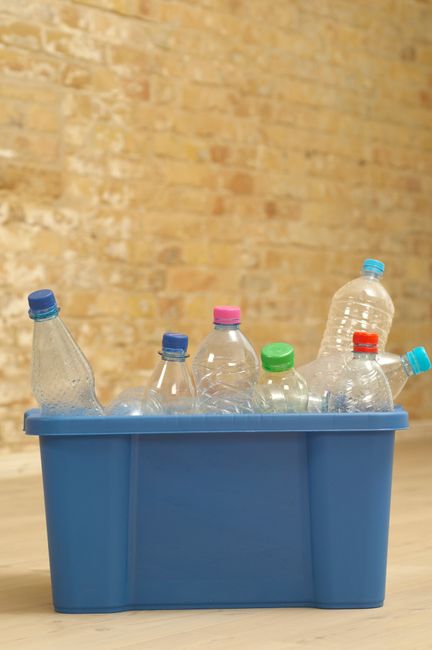
Common recycling mistakes that lead to rejected collections
If you have ever rolled a recycling bin to the kerb on a quiet morning, heard the lorry pass, and then noticed the tag left behind instead of an empty container, you know the feeling. Frustrating. A bit embarrassing too. The truth is, common recycling mistakes that lead to rejected collections are usually small, preventable errors: the wrong item in the wrong bin, food left inside packaging, bags tied up when they should be loose, or contaminated loads that look fine at a glance but fail on collection day.
This guide breaks the issue down in plain English. You will see why collections get rejected, how recycling crews assess bins, what councils and private operators usually expect, and which habits make the biggest difference. We will also cover a practical step-by-step approach, a real-world example, a checklist, and a few calm, no-nonsense tips that save time and hassle. Let's face it, nobody wants to re-sort a smelly bin on a wet Tuesday.
For a wider look at waste handling and sorting expectations, it can also help to understand broader recycling and rubbish practices and how they fit into everyday disposal habits.
One thing worth saying straight away: rejected recycling is rarely about a single dramatic mistake. More often it is the accumulation of little things that make the whole load unsafe, contaminated, or impossible to process. Once you understand that, most of the mystery disappears.
Table of Contents
- Why this matters
- How rejected recycling collections happen
- Key benefits of getting it right
- Who this is for
- Step-by-step guidance
- Expert tips for better results
- Common mistakes to avoid
- Tools, resources and recommendations
- Law, compliance, standards and best practice
- Comparison table
- Case study example
- Practical checklist
- Conclusion
- Frequently asked questions
Why Common recycling mistakes that lead to rejected collections Matters
Rejected recycling is more than a nuisance. It disrupts household routines, creates extra work for residents and businesses, and can increase the amount of waste that ends up being treated as general rubbish. In practical terms, a rejected collection means the crew has identified a problem serious enough to stop the load being taken as recycling. That may sound strict, but from an operator's point of view, contaminated recycling can damage equipment, spoil an entire bale of material, or put workers at risk.
For households, the impact is often simple but annoying: bins overflow, smell builds up, and you may end up storing waste for another week. For commercial sites, the knock-on effects can be bigger. A mixed or contaminated bin might cause extra charges, site disruption, or repeated failed pickups that quickly become a headache for staff. If your workplace produces paper, cardboard, packaging, food-related waste, or mixed dry recycling, the quality of your sorting matters every single collection cycle.
There is also a trust element. When people are told to recycle, they want a system that feels clear and fair. If rules seem vague, confusion follows. If the rules are clear but not followed, the whole chain becomes less efficient. That is why understanding the most common recycling mistakes is genuinely useful, not just a box-ticking exercise.
Expert summary: Rejected collections usually come down to contamination, poor presentation, or putting the wrong materials out for the service you actually have. The fix is usually simple, but only if you catch the pattern early.
How Common recycling mistakes that lead to rejected collections Works
Most recycling collection systems are based on a simple idea: the materials in the bin must match the service being provided. In practice, that means the collector expects a certain level of cleanliness, the right material types, and safe presentation. If the load fails that standard, the crew may leave it behind, attach a warning, or in some cases collect it as residual waste rather than recycling. Different councils and private waste operators set their own procedures, but the principle is usually the same.
Collections are often checked quickly from the roadside or loading area. That means crews are not doing a laboratory test on every bin. They are looking for obvious contamination, unsafe items, overloaded containers, and poor segregation. A milk bottle with residue left inside might not be a problem on its own. A bin full of food-stained paper, plastic film, nappies, and black sacks tucked into the top very well might be.
The important thing to understand is that recycling is a material-quality business. Paper, cardboard, metal, glass, and certain plastics are all valuable only when they are kept clean enough to process. Once food, grease, liquids, sharp objects, or non-recyclable materials get mixed in, the whole lot can become difficult or impossible to recover efficiently.
For homes and smaller premises, the issue is often habit. A peel-off label left on a jar, a greasy pizza box, or a carrier bag of loose recycling sounds harmless, but those little habits add up. For businesses, the problem is more often process: staff bins are not clearly labelled, the wrong container is used, or temporary workers simply do not know the site rules. Nothing exotic. Just small operational slips.
Key Benefits and Practical Advantages
Getting recycling right does more than avoid a rejected bin. It creates a calmer, cleaner routine and makes disposal easier for everyone involved. Here are the main practical advantages.
- Fewer missed collections: If the bin is clean and sorted correctly, crews are much more likely to take it first time.
- Less mess and odour: Clean recyclables are easier to store, and you will notice the difference on warm days when packaging has not been rinsed or food waste has been left in the bin.
- Lower admin and fewer complaints: In shared buildings and workplaces, fewer rejected bins means fewer awkward conversations and fewer repeated reminders.
- Better use of space: Correctly sorted waste takes up less room than mixed rubbish, especially where cardboard and plastics are flattened.
- More predictable costs: If your waste provider charges for contamination or special handling, better sorting can help reduce avoidable extras.
- Better environmental performance: Materials that stay clean are more likely to be recovered and reused, rather than downgraded or discarded.
There is another quiet advantage too: confidence. Once the household or team knows what belongs where, the whole routine becomes easier. You stop second-guessing yourself every collection day. That sounds minor. It is not, really.
Who This Is For and When It Makes Sense
This topic matters to almost anyone putting out recycling, but it is especially useful for people dealing with repeated failed collections or mixed waste streams. If you are a homeowner, flat-share resident, landlord, facilities manager, office administrator, or small business owner, this is for you.
It is also relevant if you live in a flat with shared bins, because one person's mistake can affect everyone in the block. In shared housing, people often assume someone else "probably knows the rules." That assumption causes more rejected collections than you might expect. Same story in offices. Someone throws a coffee cup in the paper bin, nobody notices for days, and by collection time the whole load is suspect.
It makes sense to pay attention to this if any of the following sound familiar:
- your recycling bin is regularly left behind
- you get warning notes or stickers on the container
- staff or residents keep asking what can go where
- you have moved into a new property or changed waste provider
- you are trying to improve recycling rates without making the process harder
If you are managing a business site, you may also need to coordinate with broader services like commercial waste collection or business waste removal so that recycling and general waste are separated properly from the start. That basic separation, boring as it sounds, does a lot of the heavy lifting.
Step-by-Step Guidance
Here is a simple way to reduce rejected collections without turning waste management into a complicated project.
- Check the exact service you have. Do not assume every recycling scheme accepts the same items. A council collection, a private collection, and a business contract can all differ. What is allowed in one place may be rejected in another.
- Separate materials at source. Put paper, cardboard, plastic, metal, glass, and food waste in the correct place from the start. Do not rely on "sorting it later." Later often never comes.
- Remove food residue. Empty containers as well as you reasonably can. A quick rinse is often enough for bottles, trays, tubs, and jars, but you do not need to scrub everything like it is going on display.
- Flatten cardboard and bulky packaging. This saves space and helps crews see what is in the bin. A neat pile usually beats a crumpled tower of boxes.
- Keep plastic bags and film separate unless specifically accepted. Many rejected bins include loose carrier bags stuffed with mixed recyclables. They hide contamination and are often not acceptable anyway.
- Check for non-recyclable contamination. Nappies, food waste, soft plastics, broken glass, polystyrene, textiles, electrical items, and black sacks are common culprits.
- Present the bin properly. Put it out on the correct day, with lids closed, not overfilled, and with no material jammed around the sides or on top.
- Review the rejection note. If the bin is left behind, read the reason carefully. It is usually specific enough to tell you what needs changing next time.
If the same issue keeps happening, look for the pattern rather than treating each failed pickup as a one-off. Repeated contamination usually means one of three things: unclear instructions, poor bin setup, or somebody in the building is still using the wrong container.
Expert Tips for Better Results
Small changes go a long way. In our experience, the best recycling systems are not the most complicated ones. They are the ones people can follow without thinking too hard.
Use clear labels, not vague labels. "Dry recycling" sounds fine until people stand there holding a margarine tub and wondering whether it counts. Labels that say "paper and cardboard only" or "plastic bottles, cans and clean tins" are much easier to follow.
Keep the recycling point physically convenient. If the correct bin is hidden round the back, people will take the nearest one. Human nature, really.
Train new staff or residents early. A five-minute walk-through at move-in or onboarding can prevent months of avoidable contamination. It is one of those tiny investments that pays back quickly.
Design for the messy middle. Not every item is obvious. Think about takeaway containers, greasy cardboard, coffee cups, foil-lined packaging, and shredded paper. If those items are common in your home or workplace, make the rules clear in advance.
Keep an eye on seasonal changes. After parties, holidays, or a big office clean-up, recycling often changes character for a week or two. You can almost hear the extra packaging rustling in the bin. That is when mistakes creep in.
If you manage larger loads, you may also need specialist services such as bulk waste collection or waste disposal so mixed or oversized items do not end up in the recycling stream by accident.
Common Mistakes to Avoid
This is the heart of the issue. Most rejected collections are caused by a handful of repeat mistakes. Here they are, plainly set out.
1. Putting food waste in recycling bins
Food residue is one of the most common reasons a load gets rejected. Even a small amount can spread contamination, especially if it is wet or greasy. Pizza boxes are a classic example: the clean cardboard might be acceptable, but the oily sections are not. If the box is heavily stained, it is often better treated as residual waste.
2. Mixing different waste streams
Dry recyclables and general rubbish should not be mixed. That sounds obvious, but in real life people often toss a few "harmless" items into the nearest bin. One coffee cup, one nappy, one garden clippings bag, and suddenly the whole container is questionable.
3. Using bin liners or black sacks incorrectly
Some schemes allow liners, others do not. But black sacks in recycling bins are often a red flag because they hide the contents. Crews cannot easily verify what is inside, so the load may be rejected or treated as contaminated. If your provider wants recyclables loose, keep them loose.
4. Including soft plastics or packaging film when they are not accepted
Plastic bags, cling film, crisp packets, bubble wrap, and similar flexible plastics are often not accepted in standard collections. People assume "plastic is plastic," but the processing route is not that simple. If in doubt, leave it out.
5. Leaving lids on containers when they should be removed
Loose lids, caps, pumps, and sleeves can matter more than people realise. Some are accepted, some are not, and the rules vary. If your collection guidance says to separate certain components, do that consistently.
6. Forgetting that glass and ceramics are different
Glass bottles and jars may be recyclable, while drinking glasses, mirrors, crockery, and window panes are usually not accepted in the same stream. A broken mug is not just "glass," even if it looks like it at 6 a.m.
7. Overfilling bins
Overstuffed bins are awkward to empty and easy to reject. Lids should close properly. If material is piled high or wedged in so tightly that the crew cannot safely access it, that can cause a missed pickup.
8. Ignoring contamination from one-off items
Electricals, batteries, vapes, sharps, and hazardous items should never end up in standard recycling containers. Even if they are just one item, they can create safety risks and trigger rejection.
9. Assuming "clean enough" means clean enough for everyone
Your idea of clean may not match the collection service's standard. A container with residue at the bottom might look fine to the eye but still cause issues at sorting. When in doubt, aim for visibly clean and empty rather than "it should be all right."
10. Failing to communicate changes
If you change bin arrangements, move to a new property, or switch providers, people need time to adapt. Not everyone reads notices. Some do, of course. Some glance once and forget. That is life.
Tools, Resources and Recommendations
You do not need special equipment to improve recycling performance, but a few simple tools make a real difference.
- Clear bin labels: Use plain language and, where helpful, simple pictures.
- Colour-coded signs: These help in communal buildings and workplaces, especially where English is not everyone's first language.
- Segregated bins or compartments: Separate containers reduce accidental mixing.
- Quick-reference posters: A short "yes/no" list near the bin beats a long policy nobody reads.
- Waste audits: Periodic checks help you spot patterns, such as repeated food contamination or the wrong packaging being thrown in.
For households moving house, clearing out old furniture or broken appliances, it can help to use dedicated collection options like furniture disposal or white goods recycle rather than trying to squeeze bulky items into a recycling bin. The same applies to mattresses, sofas, and large household items that need separate handling.
For bigger clear-outs, services such as house clearance, property clearance, or office clearance can help keep recyclable materials, general waste, and reusable items properly separated. That tends to reduce the usual end-of-project chaos.
Law, Compliance, Standards, or Best Practice
Recycling rules can vary by council, borough, building management, and waste contractor, so it is always sensible to follow the instructions for the specific service you are using. In the UK, businesses in particular have duties around the correct handling and separation of waste, and many organisations are expected to keep materials apart where separate collection is required or practical. The exact details depend on the premises and the type of waste involved, so it is worth checking the current guidance that applies to you.
Best practice usually includes:
- sorting recyclables at source
- keeping recycling streams free from food and general waste
- using the right container for the right material
- training staff or residents on local rules
- recording recurring contamination issues and fixing the cause
For businesses and larger premises, safe handling matters too. Sharp items, heavy materials, and contaminated waste can create practical hazards. A provider's health and safety policies, insurance arrangements, and contamination procedures are not just paperwork. They shape how collections are carried out and what can be accepted on the day.
If you are running a site in London, remember that different boroughs may have different presentation rules, collection days, and accepted materials. What works in one part of the city may be rejected in another. That is normal, a bit annoying, but normal.
For organisations that want a broader operational picture, related pages on recycling and sustainability and health and safety policy can help frame waste handling as part of a wider site process rather than a one-off chore.
Options, Methods, or Comparison Table
Different waste handling methods suit different situations. Here is a simple comparison to help you decide what makes sense for your home, building, or business.
| Method | Best for | Strengths | Watch-outs |
|---|---|---|---|
| Standard recycling collection | Routine household or office recyclables | Convenient, regular, usually low effort | Strict on contamination and sorting |
| Separate general waste service | Residual rubbish that cannot be recycled | Simple for non-recyclables | Can be more expensive if overused |
| Bulky waste collection | Large items like furniture or mattresses | Removes oversized items properly | Not for mixed loose recycling |
| Specialist disposal for appliances | Fridges, freezers, white goods | Safer and more compliant | Needs correct booking and handling |
| Clear-out or clearance service | House moves, offices, garages, probate, renovations | Useful when many waste streams are involved | Requires planning to separate recyclable items |
If your collection keeps getting rejected because of awkward items or mixed materials, you may be using the wrong method entirely. Sometimes the fix is not "be more careful." Sometimes the fix is "use a different service for that stream." Fair enough, really.
Case Study or Real-World Example
A small office in London kept having its recycling bin left behind every other week. Staff were frustrated because they believed they were doing the right thing. On inspection, the issue turned out to be simple: takeaway cups, greasy food cartons, and random black bags were being added to the paper and card bin. Nobody was deliberately sabotaging the system. People were just using the nearest container.
The fix was not dramatic. The office moved the recycling point to a more visible place, added a short sign with pictures, and split paper/card from mixed packaging. They also made one colleague responsible for a quick weekly check. Within a few collection cycles, the problem eased because the team had a clearer routine.
What is useful about this example is not the office itself, but the pattern. Rejected collections often look like a waste contractor problem, when in fact they are a layout problem, a communication problem, or both. Once the setup becomes easier to follow, the results usually improve quickly.
Practical Checklist
Use this checklist before collection day. A minute here can save a week of hassle later.
- Is the bin the correct one for the material type?
- Have all food scraps and liquids been removed?
- Are containers reasonably empty and clean?
- Have black sacks or bin liners been removed if they are not accepted?
- Is cardboard flattened and dry?
- Are glass, metal, plastic, and paper in the right stream?
- Have batteries, electrical items, sharps, and hazardous waste been kept out?
- Is the bin lid fully closed?
- Is the container out on the correct day and in the correct place?
- Do all residents or staff know about any recent changes?
Quick rule of thumb: if you would hesitate to show the contents of the bin to the collection crew, it probably needs another look.
Conclusion
The most common recycling mistakes that lead to rejected collections are usually easy to explain and, thankfully, usually easy to fix. Contamination, poor sorting, overfilled bins, and unclear instructions account for most of the avoidable problems. Once you tighten up the basics, collections become smoother, cleaner, and far less stressful.
Whether you are managing a household bin, a shared block, or a business waste setup, the same principle applies: keep materials clean, separate, and simple to collect. It is not about perfection. It is about consistency. And that consistency makes a bigger difference than people realise.
If you are dealing with repeated issues, start with the bin contents, then the bin location, then the instructions. Nine times out of ten, the fix is hiding in one of those three places.
Get a free quote today and see how much you can save.
Good recycling does not need to be fancy. It just needs to be clear, calm, and a bit more deliberate than most of us manage on a busy morning.
Frequently Asked Questions
Why was my recycling bin rejected even though it looked mostly right?
A bin can look fine from the top but still contain contamination inside. Food residue, black sacks, soft plastics, nappies, or non-recyclable items can be enough to trigger rejection. Crews usually judge by the whole load, not just what is visible first.
What is the most common reason for rejected recycling collections?
Contamination is usually the biggest issue. That includes food left on packaging, the wrong materials mixed together, and items that are not accepted by the specific collection service.
Do I need to rinse recycling before putting it out?
In many cases, yes, but only to a reasonable standard. You normally want containers to be empty and free from heavy residue. You do not need to deep-clean every item, but obviously sticky or greasy packaging can cause problems.
Can pizza boxes be recycled?
Sometimes the clean parts can be recycled, but heavily greasy or food-soiled sections usually cannot. If the whole box is stained and oily, it is often better treated as general waste unless your local guidance says otherwise.
Why are black bags a problem in recycling bins?
Black bags can hide the contents, making it hard for collectors to confirm what is inside. They also often contain mixed waste. Many services prefer recycling to be loose or placed in clear or approved containers.
What should I do if my recycling collection keeps getting missed?
Check the rejection note first, then review the bin contents and presentation. Look for a repeat pattern such as food contamination, overfilling, or the wrong items being added. If it keeps happening, review the instructions with everyone using the bin.
Do rules differ between councils and private waste services?
Yes, they often do. Accepted items, bin colours, presentation rules, and collection schedules can vary. It is always best to follow the guidance for your specific service rather than assuming the rules are the same everywhere.
Is it better to put recycling out in loose form or in bags?
That depends on the service. Some collections want items loose because bags make sorting harder. Others may allow certain sacks or containers. If there is any doubt, check the instructions for your area or contract.
What items should never go into a standard recycling bin?
Batteries, electrical items, sharps, nappies, food waste, liquids, hazardous materials, and most bulky items should stay out of standard recycling bins. Some special services exist for those items, but they need separate handling.
How can businesses reduce rejected recycling collections quickly?
Start with visible signage, clear bin locations, and a short staff briefing. Then check whether the business is using the right container for the right material stream. A simple weekly inspection often catches the issue before the collection day does.
Does flattening cardboard really help?
Yes, it does. Flattened cardboard takes up less room, helps crews see what is in the bin, and reduces the chance of overfilling. It is one of those small habits that makes a surprisingly big difference.
What should I do with bulky items that are not accepted in recycling?
Use a suitable bulky waste or specialist disposal route rather than forcing items into a recycling container. Services such as furniture, appliance, or house clearance are usually more appropriate for large or awkward items.
How do I know whether my recycling service accepts mixed plastics?
You need to check the specific guidance for your service. "Plastic" covers a lot of different materials, and many collections only accept certain rigid items, not flexible packaging film or soft plastics.
What is the simplest way to prevent rejected collections at home?
Keep one clear rule: only put in what the service accepts, and keep it clean enough to process. A labelled bin, a quick rinse, and no random extras will solve most problems. That, honestly, gets you a long way.